
Guide to Solar Water Heaters: Is It Time to Upgrade Your Home?

Heating water shouldn’t feel like a luxury that spikes your electricity bills every month. Because electric water heating is consistently one of the highest consumers of household power, finding an efficient solution is the smartest way to optimize your property’s energy footprint.
To help you determine if a solar water heating system is the right structural upgrade for your property, this comprehensive guide will break down exactly how they work, the core advantages, and what you need to consider before installation.
What is a Solar Water Heater?
A solar water heater is a highly efficient renewable energy system that uses ambient daylight to heat water for domestic, commercial, or industrial use.
Unlike solar panels (photovoltaic) which convert sunlight into electricity, a solar water heating system captures thermal energy directly from the sun and transfers it straight to your water supply. Because it bypasses the electrical utility grid entirely, it delivers a constant supply of piping hot water to your taps at zero ongoing cost.
How the Systems Work
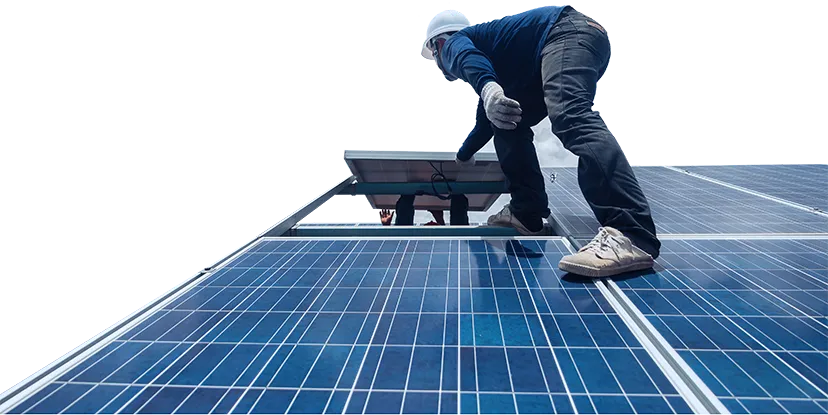
While there are various technical configurations, most residential installations utilize a Thermosyphon System. This operates on a simple, reliable principle of physics: warm water rises and cold water sinks. Cold water is directed into the rooftop solar collector panels, heated by the sun, and naturally rises into an insulated storage tank sitting directly above the panels. It’s a self-sustaining configuration that runs flawlessly without needing complex electronics.
- Immediate Financial Relief: Once installed, the energy used to heat your water is completely free. You immediately eliminate a massive portion of your monthly power tokens or utility expenses.
- Space-Efficient Design: Solar thermal panels are highly efficient and require significantly less roof space than standard photovoltaic (electricity-generating) solar arrays.
- High Energy Independence: A properly engineered system can easily supply up to 80% to 100% of your home’s hot water needs, decoupling your lifestyle from grid instability and rising tariff prices.
- Long-Term Durability & Low Maintenance: These systems are built for resilience. With no major moving parts, a premium solar water heater requires very little upkeep and can reliably perform for up to 20 years.
- Tax and Duty Incentives: To encourage renewable infrastructure, solar equipment often benefits from supportive government policies, including exemptions on duties and VAT, making the initial acquisition much more affordable.
Important Considerations & Disadvantages
While the benefits are massive, making an informed investment means understanding the variables:
- Upfront Capital: The initial purchase and professional installation cost is higher than buying a basic, high-consumption instant hot shower or traditional electric boiler. However, it is a true infrastructure asset that pays itself back rapidly through monthly utility savings.
- Weather Dependencies: Solar heaters rely on daylight. While modern systems are highly efficient at trapping ambient heat even on overcast days, performance can be lower during prolonged, heavy rainy seasons.
- Structural and Plumbing Requirements: Storage tanks hold a significant volume of water, making them heavy. Your roof infrastructure must be professionally evaluated to ensure it handles the structural load perfectly. Additionally, the system requires a dedicated hot water cylinder and proper integration with your existing plumbing layout.
💡 The Professional Advantage: Most potential drawbacks—such as managing scaling from hard water minerals or ensuring proper tank sizing to prevent overheating—are completely averted through correct engineering. A professional installation ensures your roof orientation, shading factors, and plumbing integration are optimized from day one.
Frequently Asked Questions (FAQs)
What is the main difference between solar water heaters and rooftop solar panels?
Solar water heaters use solar thermal collectors to heat water directly for your showers and taps. Rooftop solar panels (photovoltaic/PV systems) convert sunlight into raw electricity to power your lights, appliances, and electronics.
Can a solar water heater completely replace my electric heater?
For the vast majority of the year, yes. However, to guarantee absolute comfort, modern solar water heaters are integrated with a smart backup element or connected alongside your existing system. This ensures that during unseasonably cold, heavy rainy weeks, your system automatically bridges the gap so you never experience a cold shower.
Is my roof suitable for a solar water heater?
Most roofs can easily accommodate a system, provided there is clear access to direct sunlight (minimal shade from trees or adjacent buildings) and the structural framing can support the weight of the water tank.
Optimize Your Energy Footprint Today
Exceptional home performance doesn’t have to be complicated—it just has to be engineered correctly. Decoupling your thermal load from the grid is the most logical first step toward complete energy independence.
Ready to say goodbye to high utility bills? Contact Transford Solutions today for a professional site assessment, and let’s design a high-efficiency system tailored for your home.