Understanding Solar Inverters: On-Grid, Off-Grid, and Hybrid Systems
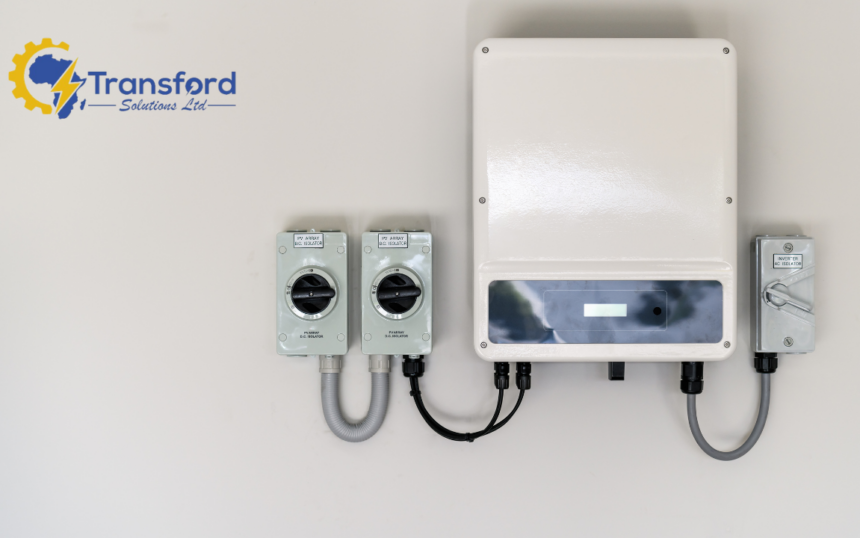
When engineering a solar energy system for your property, selecting the right inverter infrastructure is just as critical as choosing your solar panels. The inverter acts as the “brain” of your system, converting the raw Direct Current (DC) generated by the sun into usable Alternating Current (AC) to power your appliances.
To help you determine the most efficient configuration for your home or commercial property, here is a professional breakdown of the three primary types of solar inverters.
1. On-Grid Solar Inverters (Grid-Tied Systems)
On-grid solar inverters are designed to operate in direct synchronization with the local utility grid.
- How It Works: The system powers your property using solar energy during the day. If your panels generate more electricity than your building requires, the excess power is directed back into the national grid.
- The Economic Benefit: In regions with active net-metering policies, exporting your excess power allows you to offset your electricity bills significantly, drastically reducing your operational overhead.
- Key Consideration: On-grid systems require a stable, reliable utility grid to function. For safety reasons, if the grid goes down, an on-grid inverter will automatically shut off to prevent power from feeding back into the lines while technicians are working on them. Therefore, this system does not provide backup power during blackouts.
2. Off-Grid Solar Inverters (Standalone Systems)
Off-grid solar inverters are engineered to operate completely independently of the commercial utility grid, making them ideal for absolute self-sufficiency.
- How It Works: A charge controller directs the excess electricity generated by your solar panels during the day into a dedicated solar battery bank. At night, or during periods of low sunlight, the high-performance off-grid inverter draws that stored energy from the batteries and converts it to AC power to run your property.
- Best Applications: This configuration is highly suited for remote areas, rural properties, or regions where grid infrastructure is non-existent, highly unstable, or prone to frequent, prolonged outages.
- Key Consideration: Because they rely entirely on local storage, off-grid systems require careful energy management and precise sizing to ensure you have enough battery capacity to sustain your daily and nightly demands.
3. Hybrid Solar Inverters (The Complete Intelligent Solution)
Hybrid solar inverters represent the pinnacle of modern energy management, seamlessly blending the advantages of both grid-tied and off-grid configurations into a single, intelligent unit.
- How It Works: A hybrid system remains connected to the utility grid while simultaneously managing a dedicated battery storage bank. The inverter intelligently prioritizes your power sources in real time based on your consumption needs.
- Maximum Efficiency and Backup: During the day, it powers your load via solar and charges your batteries. If your batteries are full and your load is met, excess power can be exported to the grid. If the grid fails, the hybrid inverter instantly switches to battery backup, ensuring your property experiences zero interruption.
- Financial Optimization: By utilizing smart energy scheduling, a hybrid system can draw from stored battery power during peak tariff hours when electricity costs are highest, maximizing your long-term savings.
- Key Consideration: Because a hybrid setup introduces advanced control mechanisms and battery storage assets, the initial capital expenditure is higher than a standard grid-tied system. However, it delivers the ultimate balance of utility relief, power security, and property value enhancement.
Which Inverter System Fits Your Goals?
Choosing the right inverter infrastructure depends entirely on your property’s location, your local grid reliability, and your long-term financial objectives. Whether your goal is to permanently eliminate utility bills, secure absolute backup protection, or build a fully independent off-grid estate, precision design is the key to a high-yielding asset.
Contact Transford Solutions today for a comprehensive energy assessment, and let our engineering team design the perfect power architecture for your property.